

A residential structural assessment usually takes a few days from scheduling to final report delivery. For most homeowners, buyers, sellers, and real estate agents, the process includes three main parts: scheduling the site visit, completing the on-site assessment, and preparing the written report.
At Southeast Engineering & Development Group, we can typically schedule a residential structural assessment about two days to one week out, depending on our current workload and availability. The site visit itself usually takes 30 minutes to an hour and a half, depending on the number of concerns and how much of the home needs to be reviewed. After the site visit, we typically deliver the written report within two to three business days.
That means a typical residential structural assessment may take about several days to a little over a week from the first call to the completed report.
The Typical Structural Assessment Timeline
Most residential structural assessments follow a fairly simple process.
First, the homeowner, buyer, seller, realtor, or property manager contacts us about a concern. That may be a crack in the concrete, a sagging floor, a deck that appears to be moving, an attic framing concern, or an issue identified by a home inspector.
Then we schedule the site visit. Depending on how busy we are, we can usually schedule the assessment about two days to one week out.
During the site visit, we review the area or areas of concern, take photos, make observations, and provide an initial verbal assessment to the homeowner. This is helpful because the homeowner does not have to wait for the written report to have a general understanding of what we observed.
After the site visit, we prepare the written report. Our reports are typically delivered two to three business days later.

How Long Is the Site Visit?
The site visit usually takes between 30 minutes and an hour and a half.
A shorter visit is common when we are looking at one specific issue. For example, if a homeowner has one concern about a basement support column, a small area of cracking, or a specific deck connection, the site visit may only take about 30 minutes.
A longer visit is needed when we are looking at multiple areas or performing a more complete structural review of the home. If we need to inspect the crawlspace, attic, foundation, deck, exterior walls, and interior areas, the visit naturally takes longer.
What Makes a Structural Assessment Take Longer?
A structural assessment is usually quicker when there is one clear area of concern. It takes longer when the concern is more widespread or when several parts of the home need to be reviewed.
Common factors that can add time include:
- Multiple areas of concern
- Crawlspace access
- Attic or roof framing concerns
- Deck or porch movement
- Foundation or basement wall issues
- Structural brick or CMU concerns
- Retaining wall concerns
- Older homes where additional research may be needed
- Homes involved in a real estate transaction
- Situations where repair recommendations need to be more detailed
In our experience, a homeowner may call about one visible issue, but that issue may connect to other areas of the structure. For example, a sagging floor may lead us to review crawlspace supports, beams, columns, footings, and moisture conditions. A roofline concern may require us to review attic framing, rafter connections, purlins, or previous contractor modifications.
That does not mean every assessment becomes complicated. It simply means the time depends on how many concerns need to be reviewed and how accessible those areas are.
Why the Written Report Is Not Usually Ready the Same Day
One thing homeowners sometimes misunderstand is the timing of the written report. Many people expect that the report can be written and delivered the same day as the site visit.
While that may be possible in some simple situations, it is not typical.
There are a few reasons for this. First, we may have multiple inspections scheduled in the same day. Second, the written report is not just a summary of what was said on site. We review the photos, organize the observations, consider the age and type of home, and provide relevant repair recommendations based on the concerns observed.
The report needs to be clear, accurate, and useful. For many homeowners, the report may be used to guide contractor repairs, support a real estate decision, document a concern for a builder or seller, or provide a professional engineering opinion. That is why it is important to take the time to prepare it properly.
Real Examples From Recent Structural Assessments
Here are a few examples of how long different residential structural assessments have taken.
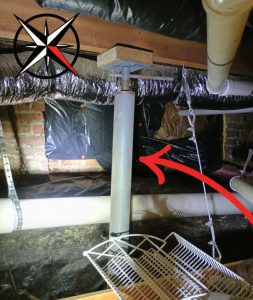
Lally Column Concern in Jasper
We reviewed a Lally column concern at a home in Jasper. This was a focused assessment of a specific support concern, so the site visit took about 30 minutes.
The written report was delivered within two business days.
This is a good example of a more straightforward structural assessment. When the area of concern is limited and accessible, the site visit can often be completed fairly quickly.
Manufactured Home Deck and Structural Column Reinspection in Acworth
We performed a reinspection of a manufactured home rear deck and structural columns in Acworth. The site visit took about 30 minutes.
Because this was a reinspection and the scope was focused, the report was delivered in one business day.
Not every assessment can be turned around that quickly, but reinspections can sometimes move faster when the issues are specific and previously documented.
Historic Fourth Ward Assessment in Atlanta
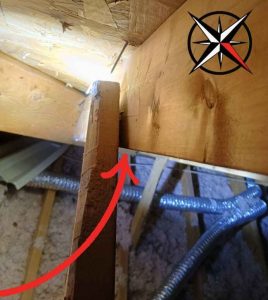
We reviewed attic rafters, structural brick, a CMU foundation, and retaining wall concerns at a home in Atlanta’s Historic Fourth Ward. This assessment involved multiple structural concerns and several different building components.
The site visit took a little over one hour, and the written report was delivered in three business days.
This is a good example of why some assessments take longer. When a home has attic framing concerns, masonry concerns, foundation concerns, and retaining wall concerns, the engineer needs to look at the overall conditions and not just one isolated item.
When Should You Schedule a Structural Assessment?
In my opinion, it is better to schedule a structural assessment earlier rather than later when there is a possible structural concern.
This is especially true in real estate transactions. If a home inspector recommends that a structural engineer review a problem, the buyer should try to schedule the assessment as soon as possible during the due diligence period. Waiting too long can create unnecessary pressure near the end of the inspection window.
A structural assessment is also helpful before hiring a contractor to perform repairs. Contractors may offer repair suggestions, but it is often better to first understand what repairs are actually needed. A structural engineer can help identify the likely cause of the issue and provide guidance so the homeowner does not pay for unnecessary or incomplete repairs.
You should consider scheduling a structural assessment if you notice:
- Concrete cracks in a slab, basement wall, foundation wall, driveway, or garage floor
- Roof sagging or unusual roof movement
- Deck movement, leaning posts, or questionable connections
- Sagging or uneven floors
- Cracks around brick, block, or masonry walls
- Crawlspace support concerns
- Attic framing concerns
- A home inspector recommending review by a structural engineer
- A contractor recommending major structural repairs
How Long Should You Plan For?
For a typical residential structural assessment, a reasonable expectation is:
- Scheduling: about two days to one week out
- Site visit: about 30 minutes to an hour and a half
- Initial verbal assessment: usually provided during the site visit
- Written report: typically delivered two to three business days after the site visit
The total time depends on our schedule, the complexity of the concerns, site access, and how much of the home needs to be reviewed.
Final Thoughts
A structural assessment does not usually take long on site, but the full process includes more than just the visit. The engineer needs to observe the concern, explain the initial findings, review photos and relevant details, and prepare a clear written report with practical recommendations.
For simple, focused concerns, the site visit may take about 30 minutes. For more involved assessments with multiple areas, crawlspace access, attic framing, foundation issues, or retaining wall concerns, the visit may take an hour or more.
The most important thing is not just how fast the assessment is completed. The goal is to get a clear, professional opinion so the homeowner understands what is happening, what repairs may be needed, and what steps should come next.
Have a structural concern and need to know what comes next? Call us at (678) 737-3070 or fill out the form below to schedule a structural assessment and get professional guidance before calling a contractor.
Request for a Structural Engineer
"*" indicates required fields