

Brick cracks are one of the most common reasons homeowners start searching for an Atlanta Structural Engineer. A few stair-step cracks in brick veneer, a widening gap near a window, or separation around a garage opening can quickly raise concerns about foundation movement, settlement, or hidden structural problems. The challenge is that not every brick crack means the home has a serious foundation issue. Some cracks are cosmetic, some are related to normal building movement, and others may be early warning signs that deserve a professional evaluation.
Understanding the difference can help you make a better decision before calling a foundation repair contractor or spending money on repairs that may not address the real cause.
Why Brick Cracks Happen
Brick is durable, but it is not flexible. Homes naturally move slightly over time due to temperature changes, moisture changes, soil movement, framing shrinkage, and settlement. When that movement is greater than the brick can tolerate, cracks can form.
In the Atlanta area, clay soils are a common contributor to movement around homes. Clay soil expands when wet and shrinks when dry. During periods of heavy rain, poor drainage, or drought, the soil around a foundation can change volume. That movement may transfer into the foundation, exterior walls, or brick veneer.
However, brick cracks can also be caused by non-foundation issues, including:
- Normal thermal expansion and contraction
- Lack of proper control joints
- Rusting lintels above windows or doors
- Poor drainage near the foundation
- Tree roots or landscaping changes
- Improperly supported porches, steps, or additions
- Previous repairs that did not address the source of movement
Because there are several possible causes, it is important not to assume that every crack means the foundation needs major repair.
Common Types of Brick Cracks
A structural engineer will look at the crack pattern, width, location, and surrounding conditions. These details help determine whether the cracking is likely cosmetic, moisture-related, or connected to structural movement.
Stair-Step Cracks
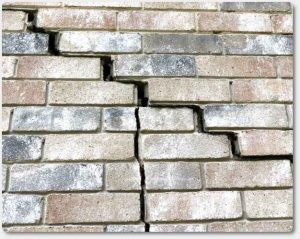
Stair-step cracks follow the mortar joints in a diagonal pattern. These are often the cracks that concern homeowners the most. They may indicate differential settlement, especially if they are wider at one end, continue through multiple courses of brick, or appear near corners, windows, or doors.
Vertical Cracks
Vertical cracks may occur from shrinkage, thermal movement, or localized settlement. A single hairline vertical crack may not be serious, but a wide or growing vertical crack should be reviewed.
Horizontal Cracks
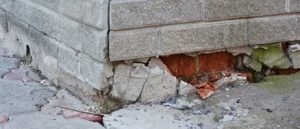
Horizontal cracks can be more concerning, particularly in retaining walls, basement walls, or foundation walls. In brick veneer, horizontal cracking may also point to movement, corrosion, or support issues.
Cracks Around Windows and Doors
Openings are natural weak points in walls. Cracks near window and door corners can be caused by normal stress concentration, lintel movement, water intrusion, or settlement. If doors or windows are also sticking, out of square, or difficult to latch, the issue may deserve closer review.
Signs the Crack May Be a Foundation Issue
A brick crack by itself does not always tell the full story. An Atlanta Structural Engineer will usually look for related symptoms inside and outside the home. These signs may suggest that foundation movement or structural settlement is contributing to the cracking:
- Doors or windows that stick or no longer close properly
- Interior drywall cracks near door frames or ceilings
- Sloping or uneven floors
- Gaps between walls, trim, ceilings, or floors
- Cracks that continue through brick and into the foundation
- Separation between exterior walls and porches, stairs, or chimneys
- Cracks that are widening over time
- Multiple cracks on the same side of the home
- Water ponding near the foundation
The pattern matters. A small crack that has not changed in years may be less concerning than a crack that appeared suddenly, continues to widen, or is accompanied by other movement indicators.
Why an Independent Structural Engineer Matters
Many homeowners first call a foundation repair company because they see cracks and want a quick answer. Foundation companies can be helpful when repairs are needed, but they also sell repair systems. That can create a concern for homeowners who want independent advice before committing to a major project.
A licensed structural engineer does not need to sell piers, wall anchors, drainage systems, or foundation repair packages. The engineer’s role is to evaluate the visible conditions, identify likely causes, explain the level of concern, and recommend appropriate next steps.
In many cases, the recommendation may be simple monitoring, drainage correction, masonry repair, or further evaluation. In other cases, the engineer may determine that foundation repair or structural reinforcement is appropriate.
The value of an independent engineering assessment is that it helps the homeowner understand the problem before choosing a repair path.
When to Call an Atlanta Structural Engineer
You should consider calling an Atlanta Structural Engineer when the crack is widening, when there are multiple cracks, when doors or windows are affected, when floors appear uneven, or when a contractor has recommended expensive foundation repairs. An engineer can also be helpful before buying or selling a home, especially if the inspection report identifies structural concerns.
Brick cracks can be stressful, but they do not always mean the home has a major foundation problem. The right evaluation can help separate normal aging from structural movement and give you a practical plan for what to do next.
For homeowners in Atlanta and the surrounding North Georgia area, Southeast Engineering & Development Group is your independent structural engineer can provide the professional guidance needed before making costly repair decisions. Call us at: (678) 737-3070