

Most people do not think about calling a structural engineer until someone else tells them to.
A home inspector may point out a foundation crack and recommend further evaluation. A realtor may need a professional opinion before closing. A homeowner may notice a sagging floor, a leaning column, or a roof that does not look quite right. A property manager or HOA board may have a recurring structural issue and need a clear repair recommendation before hiring a contractor.
That is usually when the question comes up:
When do you actually need a structural engineer?
The short answer is this: you need a structural engineer when the concern involves the strength, stability, movement, or long-term support of a building component.
That includes foundations, concrete cracks, columns, beams, attic framing, roof framing, decks, retaining walls, and other structural elements. A contractor may be able to perform the repair, but a structural engineer helps determine what the correct repair should be.
At Southeast EDG, we are often called when someone sees a problem but does not know how serious it is, what caused it, or who should fix it. Our role is to inspect the condition, explain what is happening, and provide professional recommendations so the owner can make a confident decision before spending money on repairs.
When a Home Inspector Says, “Call a Structural Engineer”
One of the most common times people need a structural engineer is during the purchase or sale of a home.
A home inspector may identify a specific concern, such as:
- Cracks in a foundation wall
- Cracks in a concrete slab or basement floor
- Sagging or uneven floors
- Roof framing concerns in the attic
- Deck movement or unsafe deck connections
- Leaning or deteriorated columns
- Signs of previous fire damage
- Wood framing that is separating, cut, or improperly supported
In many cases, the home inspector is doing exactly what they should do. They are identifying a concern and recommending that a qualified professional evaluate it further.
A structural engineer can provide a more specific opinion on whether the condition appears minor, needs monitoring, or requires repair. More importantly, the engineer can recommend the type of repair that is appropriate for the condition.
This is helpful for buyers, sellers, realtors, and contractors because it gives everyone a clearer path forward.
Concrete Cracks: Floors, Foundations, and Walls
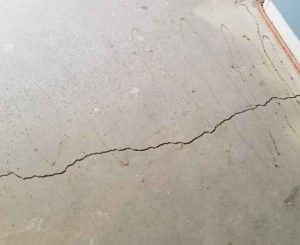
Concrete cracks are one of the most common reasons people call a structural engineer.
Not every concrete crack means the building is failing. Concrete can crack from shrinkage, settlement, temperature changes, poor drainage, soil movement, or other causes. The important question is not simply, “Is there a crack?” The better question is, “What does the crack tell us?”
A structural engineer can look at the crack pattern, width, location, movement, and surrounding conditions to help determine whether the crack is cosmetic, related to settlement, or part of a larger structural concern.
You should consider calling a structural engineer when you see:
- Foundation wall cracks that are widening or offset
- Stair-step cracks in masonry walls
- Cracks with water intrusion
- Slab cracks with vertical displacement
- Basement or crawlspace wall movement
- Bowing, leaning, or rotating walls
- Cracks near columns, beams, or major load-bearing areas
A contractor may recommend sealing the crack, but sealing alone may not address the cause. If the crack is related to movement, drainage, settlement, or structural loading, you want to understand that before paying for repairs.
Sagging Floors and Uneven Areas
Sagging floors are another common reason to involve a structural engineer.
A floor may sag because of undersized framing, long-term deflection, deteriorated wood, crawlspace moisture, poor previous repairs, settlement, or inadequate support below. In older homes, we often see a combination of issues rather than one simple cause.
Sometimes the concern is obvious. The floor slopes noticeably, furniture leans, or doors do not close properly. Other times, the issue is discovered in the crawlspace or basement, where beams, posts, or columns are not properly supporting the structure above.
A structural engineer can help determine whether the floor condition is mainly a serviceability issue, such as annoying but not immediately unsafe deflection, or whether it indicates a more serious support problem that should be repaired.
Building Columns: Wood, Metal, Brick, and Lally Columns
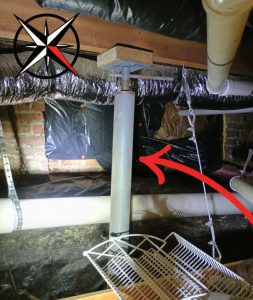
Columns are one of the most important structural elements in a building because they transfer loads from above down to the foundation or footing below.
When columns are damaged, leaning, rusted, disconnected, or not properly supported, the structure may not be transferring load the way it should.
We have inspected homes where old Lally columns and metal support posts were rusted, leaning, missing proper connections, or not attached to the floor or framing above. In some cases, support pins were disconnected or temporary-looking supports had been left in place long-term. We have also seen columns bearing on inadequate materials instead of proper footings.
In those situations, the issue is not just whether the column is still standing. The real concern is whether it is providing reliable long-term support.
Our recommendation in these cases is typically to replace inadequate or deteriorated supports with permanent columns that are properly sized, properly aligned, connected at the top and bottom, and supported by adequate footings. The goal is not just to make the area look better. The goal is to provide a durable support system that helps carry the house for the long term.
Brick Columns and Deteriorated Mortar
Older homes often include brick or masonry columns in crawlspaces, basements, or other support areas. These can perform well for a long time, but they also need to be evaluated carefully when the mortar is deteriorating, bricks are cracked, or the column appears unstable.
We inspected an older house with structural brick columns where the mortar was deteriorating. Rather than simply saying, “repair the brick,” we identified the worst areas, explained why they mattered, and recommended the correct repair approach. We also helped point the owner toward a potential contractor who could perform the work.
That distinction matters. A general repair may improve appearance, but a proper structural repair needs to address support, load transfer, bearing, and long-term performance.
Attic and Roof Framing Concerns
Attic and roof framing concerns are another major reason to call a structural engineer.
Many roof problems are first noticed as something visual:
- A dip or uneven area in the roof
- Wood framing that appears to be separating
- Cracked or displaced rafters
- Missing purlins or vertical supports
- Evidence of previous fire damage
- Cut, modified, or removed framing members
- Nails pulling apart at connections
- Sagging roof planes
We have seen multiple roof framing issues where purlins and vertical supports were missing. We have also seen roof framing where the wood members were technically connected with nails, but the connections were coming apart. In those situations, the repair is not always obvious to a homeowner or contractor.
A structural engineer can evaluate how the roof framing is supposed to work, identify what is missing or failing, and recommend the appropriate repair. That may include adding supports, reconnecting separated members, reinforcing damaged framing, or correcting previous improper modifications.
This is especially important when there is evidence of fire damage, contractor alterations, or framing that does not appear to match typical construction.
Deck Safety and Stability
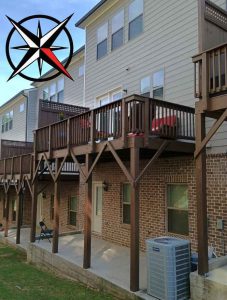
Decks deserve special attention because they are exposed to weather, often built by different contractors over the years, and frequently used by groups of people at the same time.
A deck may look acceptable from above but still have structural concerns below. Common issues include deteriorated framing, poor ledger connections, inadequate posts, missing fasteners, weak guardrails, improper footings, or movement at the connections.
You should consider a structural engineer if your deck has:
- Loose or leaning guardrails
- Rotting posts, beams, or joists
- Improper or missing ledger connections
- Movement when people walk on it
- Cracked or settling footings
- Poor connections between posts and beams
- A history of repairs or modifications
- Concerns raised during a home inspection
A contractor can often repair or rebuild a deck, but an engineer can help identify what is structurally wrong and what should be corrected.
When a Contractor, Handyman, or Home Inspector Is Not Enough
Contractors, handymen, and home inspectors all play important roles. The key is understanding the difference between identifying a problem, performing a repair, and engineering the correct solution.
A home inspector can identify a concern.
A contractor can perform repairs.
A structural engineer can evaluate the structural condition and recommend the appropriate repair approach.
In my opinion, you should involve a structural engineer when the issue involves:
- Cracked concrete floors, walls, or foundations
- Wood, metal, brick, or masonry columns
- Attic or roof framing concerns
- Sagging floors
- Deck stability
- Retaining wall movement
- Unclear causes of structural movement
- Conditions that need a professional engineer-stamped report
This is especially important when the repair could be expensive, when the condition affects a real estate transaction, or when multiple contractors are giving different opinions.
A structural engineer’s report can help you avoid guessing. It can also help you avoid paying for the wrong repair.
What a Structural Engineer’s Report Should Do
A helpful structural engineering report should do more than list defects.
It should clearly explain:
- What was observed
- Why the condition matters
- Whether the condition appears structural
- What repairs are recommended
- Whether repairs should be performed by a qualified contractor
- Whether additional investigation is needed
- What areas were and were not included in the assessment
For many residential and commercial property owners, the value of the report is clarity. It gives you a written professional opinion that can be used to make decisions, discuss repairs with contractors, negotiate during a real estate transaction, or plan future maintenance.
Call the Engineer Before You Call the Contractor
One of the most practical pieces of advice I can give is this: if you are not sure what the correct repair is, call the structural engineer before calling the contractor.
That does not mean every issue requires a full engineering design. Some concerns can be evaluated with a limited structural assessment and a professional engineer-stamped report with repair recommendations.
But if the issue involves concrete cracks, columns, attic framing, roof framing, sagging floors, or deck stability, it is usually better to understand the problem before getting contractor pricing.
Otherwise, you may get quotes for repairs that do not address the real issue.
Getting the Correct Solution
The goal of a structural engineering assessment is not to make a problem sound scarier than it is. The goal is to help you understand what is going on and what should be done next.
Sometimes the recommendation is straightforward. Sometimes repairs are needed soon. Sometimes the best answer is to monitor the condition and improve drainage or maintenance. Sometimes the issue is serious enough that a contractor should be brought in quickly.
The important thing is getting the correct solution.
At Southeast EDG, we help homeowners, realtors, property managers, HOA and COA boards, and commercial property owners evaluate structural concerns and make informed decisions. Whether the issue is a cracked foundation wall, a sagging floor, deteriorated columns, roof framing concerns, or deck safety, we can help you understand the problem and the next step.
Call us at (678) 737-3070 or fill out the form below so we can help you get the correct solution before you call a contractor.
Request for a Structural Engineer
"*" indicates required fields