

Most homeowners think of water damage as a “nuisance” problem: a damp smell, a wet crawlspace, or a small basement leak. The bigger risk is what happens after water shows up—when moisture changes the soil under your home, weakens materials, and turns minor cracks into expensive structural repairs.
If you’re seeing new cracks, doors that suddenly stick, soft or sagging floors, or recurring water around your foundation, it’s time to take it seriously—and get the right professional involved early.
Why water causes structural damage
Water impacts a home’s structure in a few common ways:
1) Water changes the soil under and around your foundation
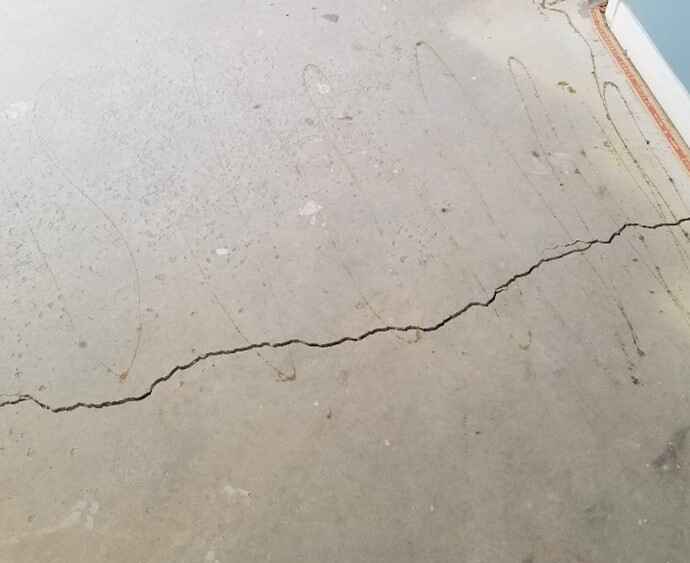
In much of Georgia, clay-rich soils expand when wet and shrink when dry. That constant “shrink–swell” cycle can move a foundation unevenly (differential movement), which shows up as cracking, sloping floors, and misaligned doors/windows.
2) Water deteriorates wood framing and subfloor systems
Chronic moisture in crawl spaces, rim joists, sill plates, or framing creates conditions that promote decay by fungi. Over time, rot can reduce wood strength and lead to sagging floors and compromised load paths.
3) Water accelerates concrete and masonry distress
Concrete is durable, but it’s not “waterproof.” When moisture penetrates and reaches embedded steel (rebar or metal supports), corrosion can start. Rust expands, which can crack and “pop” concrete (spalling), weakening the member over time.
4) Water finds the weak points first (and keeps coming back)
Even if you dry things out once, water will exploit the same conditions again—improper drainage, short downspouts, negative grading, clogged gutters, or hydrostatic pressure at basement walls.
Warning signs homeowners shouldn’t ignore
If you notice any of the following—especially if they’re new, worsening, or seasonal—water may already be impacting the structure:
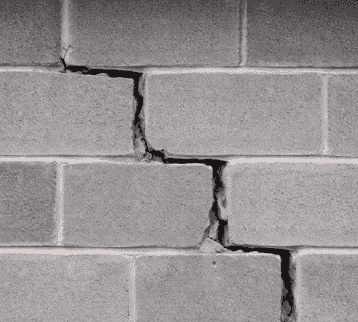
- Stair-step cracking in brick or block, or diagonal cracking near windows/doors
- Horizontal cracking or bowing of basement/retaining walls
- Doors that stick or won’t latch, windows that bind, new gaps at trim
- Sloping floors, bouncy floors, or a “low spot” developing in one area
- Musty odors, visible fungal growth, damp insulation, persistent condensation
- Efflorescence (white powder) on masonry/concrete, recurring seepage lines
- Concrete spalling (flaking/chipping) and rust staining on concrete surfaces
What a Southeast Engineering assessment typically provides
While every home is different, an engineering-focused structural assessment visit commonly includes:
- Review of cracking patterns, floor elevation changes, and framing conditions
- Identification of likely water entry/retention pathways (site drainage + building envelope clues)
- Differentiation between normal settlement vs active movement vs material deterioration
- Clear recommendations: what to fix first, what can be monitored, and what needs repair now
- If needed: repair details suitable for contractor pricing and permit documentation (where applicable)
The bottom line
Water problems are rarely “just water.” Moisture can move foundations (especially in clay soils), degrade wood members, and accelerate concrete deterioration—often slowly enough that homeowners normalize it until repairs get expensive.
If you’re seeing signs of movement or ongoing moisture and want a clear answer—contact Southeast Engineering for a structural engineer evaluation so you can fix the right thing, in the right order.
Residential Service Request Form
"*" indicates required fields