

If you’re buying, selling, or refinancing a manufactured home, you may hear a lender (or underwriter) ask for an “engineer letter” or “foundation certification.” It can feel like one more hoop to jump through—but in many cases, it’s the document that determines whether your loan can close on time.
Here’s what the letter actually is, why lenders require it (especially for government-backed loans), what an engineer looks for, and how to move through the process smoothly.
What is an engineer letter for a manufactured home?
An engineer letter (often called a foundation certification) is a signed and sealed statement from a licensed Professional Engineer describing whether a manufactured home’s foundation and anchoring meet the applicable requirements for a permanent foundation.
A key point that confuses a lot of people: the letter is frequently associated with “FHA foundation certification,” but engineers often frame it as HUD permanent foundation compliance, because the underlying technical basis is HUD guidance rather than a unique “FHA foundation standard.”
Why do lenders require it?
For many loans—particularly FHA / VA / USDA—the lender needs confidence that the home is:
- Permanently installed (not readily movable)
- Properly anchored and supported
- Eligible to be treated as real property for mortgage purposes (instead of “personal property,” like a vehicle)
HUD’s permanent foundation guidance exists specifically to define what “permanent” means and to give criteria engineers can verify.
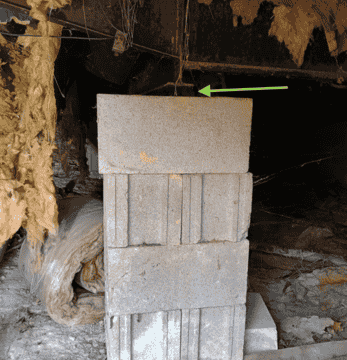
What “permanent foundation” means in practice
“Permanent foundation” generally means the manufactured home is resting on and positively anchored to a foundation system such that it is not easily removed, and loads are properly transferred to the ground.
The most commonly referenced technical basis is the Permanent Foundations Guide for Manufactured Housing, which provides recommended methods, criteria, and details used to evaluate foundations for HUD-code manufactured housing.
Manufactured Home Request For FHA Letter
Foundation Certification for HUD/FHA, VA, & Conventional Lending
"*" indicates required fields
What the engineer typically checks (high level)
An engineer’s site visit is often a visual inspection of the foundation/under-floor area (commonly via crawlspace access panels), documenting the foundation type and key components related to HUD guidance and lender requirements.
While each property is different, the review commonly focuses on items such as:
- Foundation type and support system (piers, footings, slabs, perimeter systems, etc.)
- Anchorage / tie-down / connection details that resist uplift and lateral loads
- Evidence the home is permanently affixed (not just sitting in place)
- General structural soundness indicators relevant to the foundation’s ability to perform as intended
If the foundation does not meet the minimum criteria, engineers may issue a non-compliance letter and outline what would need to be corrected to meet HUD standards.
How to get an engineer letter without delaying your closing
1) Ask your lender exactly what they want
Many lenders will accept a standard PE-sealed letter stating compliance with HUD’s permanent foundation guidance; some also want photos, a brief report format, or specific lender language.
2) Gather the basics before you schedule
To reduce back-and-forth, have:
- Property address
- Any available install/foundation documents
- Skirting/crawlspace access details (how the engineer will access the underside)
- Lender contact + deadline
3) Schedule a site inspection
Typically, a lender (or homeowner) schedules a licensed engineer to visit the site and inspect the foundation as it relates to HUD permanent foundation requirements.
4) Receive the sealed letter (or a path to compliance)
Many firms issue the certification within a few days after inspection (schedules vary by market and access).
If the foundation isn’t compliant, you’ll usually receive a non-compliance letter and recommended corrections, then you can address those items and request a re-review.
Common questions we hear
“Is this only for FHA loans?”
No. While it’s very common for FHA/VA/USDA-backed financing, lenders may request it for other loan types too—especially when they need confirmation the home is on a permanent foundation.
“My home has utilities and a porch—does that mean it qualifies?”
Utilities and site improvements don’t automatically prove the foundation meets HUD permanent foundation criteria; the foundation and anchoring still need to be verified.
“What if the foundation isn’t HUD compliant?”
In that case, an engineer may provide a non-compliance letter and list the upgrades needed to meet HUD’s minimum standards, so you can correct them and move forward.
Manufactured Home Request For FHA Letter
Foundation Certification for HUD/FHA, VA, & Conventional Lending
"*" indicates required fields